What is Python? Uses, Advantages, and Learning Path
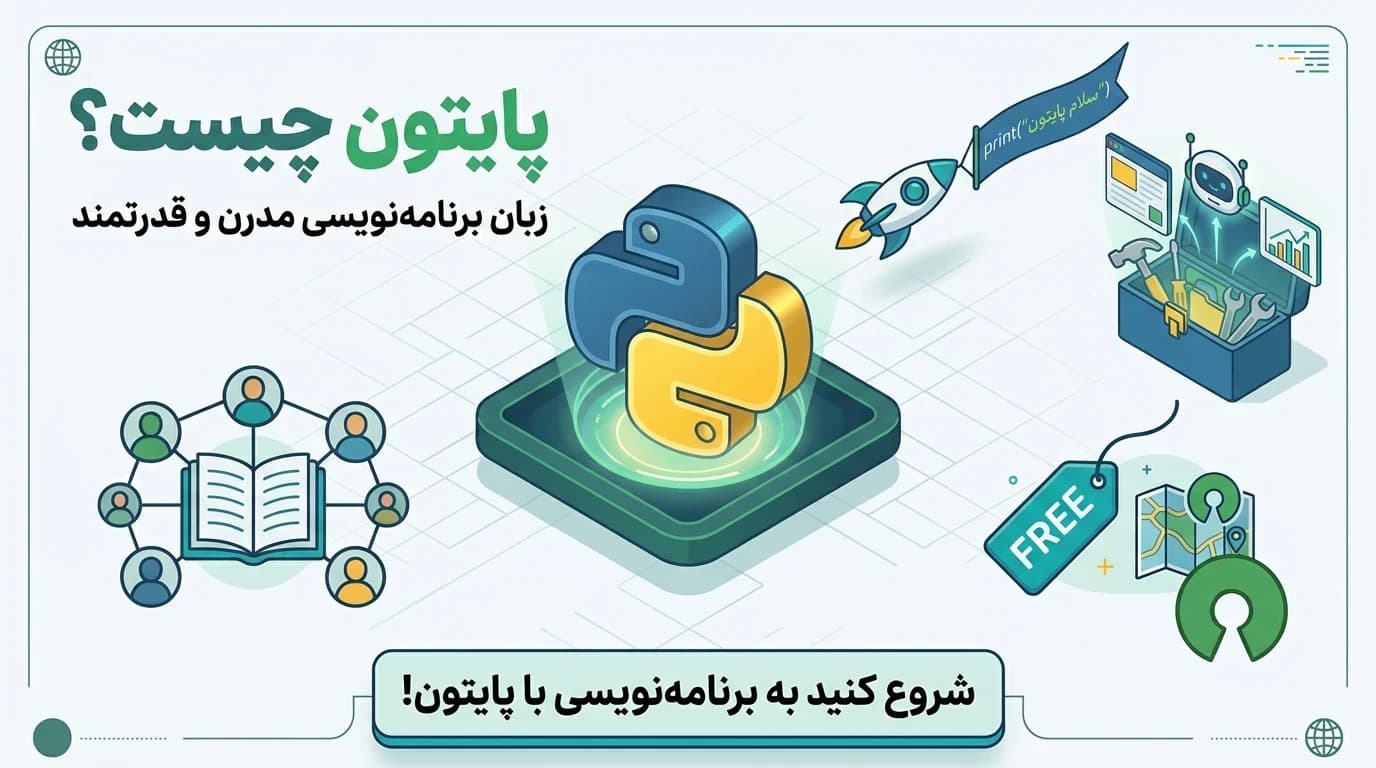
If you are new to programming or exploring Python for the first time, you have come to the right place. In this comprehensive guide, you will learn what Python is, its origins, why it has gained immense popularity, its core applications, and how to start your learning journey effectively.
The Short Answer: Python is a high-level, general-purpose, interpreted, and open-source programming language known for its clean syntax and readability. It powers modern web development, task automation, data analysis, and artificial intelligence (AI).
What is Python?
Python is an open-source, high-level, object-oriented programming language created by Dutch developer Guido van Rossum and first released in 1991. The primary philosophy behind Python is readability: developers can express complex logic in concise code that closely resembles natural human language.
Unlike compiled languages like C or C++ that require a separate compilation step before execution, Python is an interpreted language. Code is executed line-by-line by the Python interpreter. This rapid feedback loop speeds up writing, testing, and debugging, making Python an ideal choice for both beginners and experienced engineers.
Structurally, Python is a multi-paradigm language supporting object-oriented, functional, and procedural styles. This flexibility enables it to scale from simple command-line automation scripts to mission-critical enterprise systems.
One defining feature of Python is its reliance on indentation to define code blocks instead of curly braces {}. This design decision enforces consistent code formatting and clean aesthetics across development teams.
Why is Python So Popular?
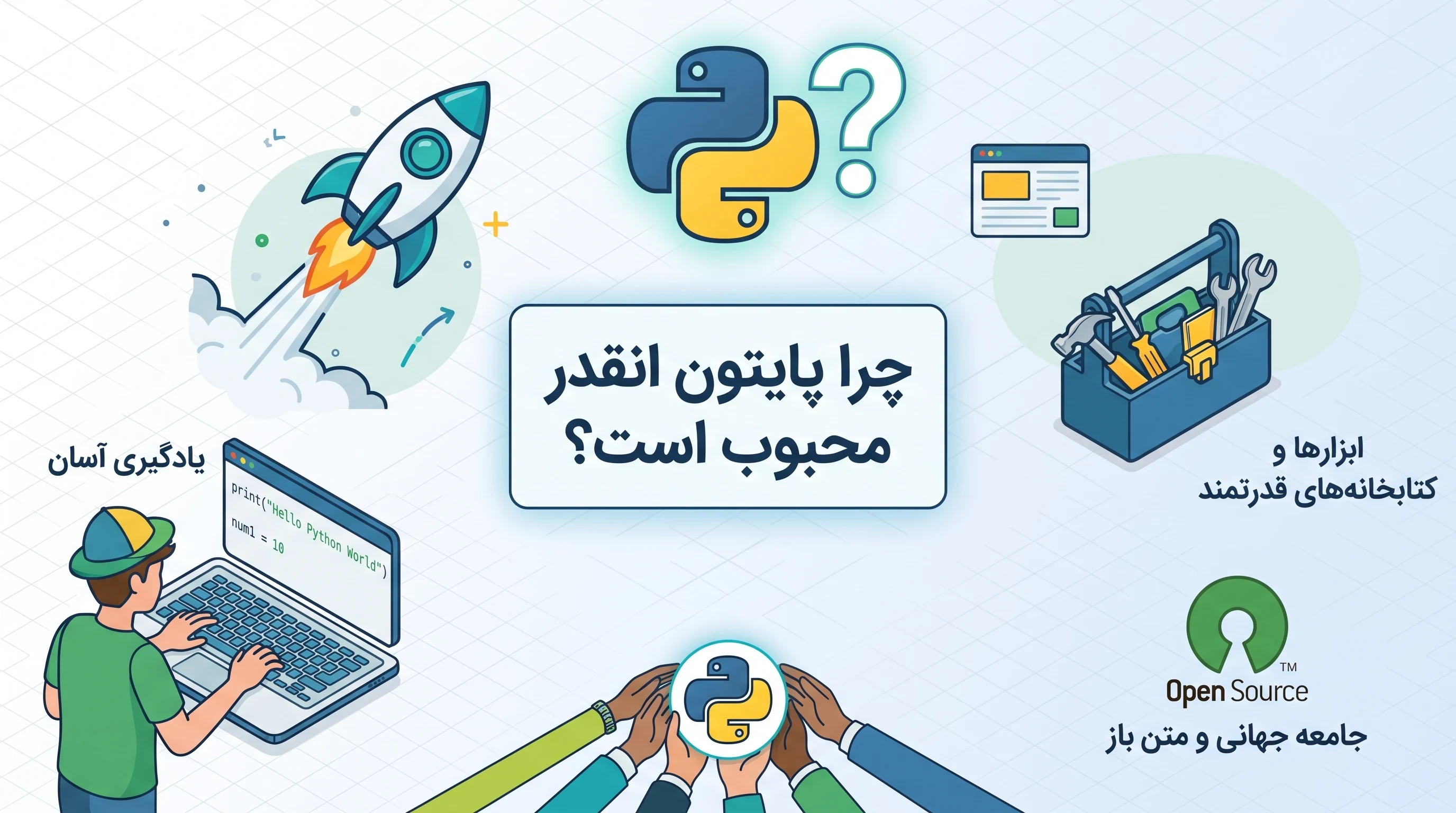
According to the TIOBE Index and global developer surveys, Python consistently ranks as one of the most widely used programming languages worldwide. Here are the key drivers behind its massive adoption:
- Free and Open-Source: Governed by the Python Software Foundation (PSF), Python is completely free to use, modify, and distribute, even for commercial projects.
- Gentle Learning Curve: The clean, straightforward syntax allows newcomers to grasp programming fundamentals without getting bogged down by boilerplate code.
- Massive Global Community: A vast, active community means solutions to common issues, tutorials, and community support are readily available on forums, GitHub, and Stack Overflow.
- Rich Ecosystem of Packages: The Python Package Index (PyPI) hosts hundreds of thousands of pre-built libraries for nearly any technical domain.
- The Dominant Language in AI & Data Science: Leading machine learning frameworks such as TensorFlow, PyTorch, and scikit-learn are built for Python, driving enormous industry demand.
- Trusted by Tech Giants: Companies like Google, Netflix, Spotify, Instagram, and Dropbox rely on Python for backend services, data infrastructure, and developer tooling.
Key Applications of Python
Python's versatile ecosystem allows it to excel across diverse technology domains:
1. Web & Backend Development
Modern backend frameworks such as FastAPI, Django, and Flask allow developers to build fast, secure RESTful APIs, microservices, and full-scale web platforms efficiently.
2. Artificial Intelligence & Machine Learning
From deep neural networks to computer vision and natural language processing (NLP), Python is the industry standard for AI research and production deployments.
3. Data Analysis & Visualization
Libraries like Pandas, NumPy, Matplotlib, and Seaborn empower data engineers and scientists to clean, transform, analyze, and visualize complex datasets.
4. Automation & Scripting
Python excels at automating repetitive desktop tasks, file processing, web scraping (with BeautifulSoup and Playwright), and system administration workflows.
5. Desktop GUI Applications
Built-in libraries such as Tkinter and third-party toolkits like PyQt and CustomTkinter enable cross-platform desktop application development with graphical interfaces.
Advantages and Limitations
Key Advantages:
- Highly readable and maintainable code.
- Cross-platform portability (Windows, macOS, Linux).
- Extensive standard library ("batteries included").
- Rapid prototyping and high developer productivity.
Considerations & Limitations:
- Slower raw execution speed compared to compiled languages (C, C++, Rust), though critical algorithms frequently delegate performance-heavy tasks to optimized C extensions.
- Higher memory consumption compared to low-level system languages.
How to Start Learning Python
- Install Python: Follow our step-by-step Python Installation Guide on Windows.
- Master Fundamentals: Variables, data types, control flow (
if/else,loops), functions, and data structures (lists,dictionaries,tuples,sets). - Explore Object-Oriented Programming (OOP): Classes, inheritance, and encapsulation.
- Build Real Projects: Create CLI utilities, simple web scrapers, or desktop GUI tools with Tkinter.
- Choose a Specialization: Specialize in backend engineering (FastAPI/Django), data science, or automation.
Conclusion
Python's balance of simplicity, power, and ecosystem support makes it one of the most rewarding programming languages to learn and use. Whether you are aiming to build scalable web applications, explore machine learning, or automate day-to-day tasks, Python provides the foundation and tools to bring your ideas to life.
Tags for this article:
Related Articles
Building a Graphical Calculator with Python and Tkinter
Complete step-by-step tutorial on building a desktop GUI calculator with Python and Tkinter; covering window layout, dynamic buttons, evaluation logic, and robust error handling.
What is Tkinter? Python GUI Development Guide for Beginners
Comprehensive Tkinter tutorial for building desktop graphical user interfaces (GUIs) in Python; from core widgets and geometry managers to building a temperature converter app.
How to Install Python on Windows (2026 Complete Guide)
Step-by-step guide to installing Python on Windows in 2026 using both the CLI (winget) and the official installer, configuring PATH, and running your first program.